
"Peru coffee"
2000 article(s) found

Peruka Hamaka producing area Sunshine Cooperative Fair Trade Coffee beans in Peru
Sunshine Cooperative (SOL Y COOP) was established in 2005, located in the Cajamarca coffee producing area of Peru (Peru) in South America, the eastern mountain area of the Andes Mountains, the cooperative is surrounded by natural primeval rainforest, a large amount of fine sand provides a well-drained soil, the daily afternoon intermittent rain brings abundant Rain Water and moisture, and native animals and plants create natural.

Do Peruvian beans taste good? the planting and processing of Peruvian beans
For the exchange of professional baristas, please follow the coffee workshop (Wechat official account cafe_style). The highest quality coffee in Peru is produced in Chanchmayo, Cuzco, Norte and Puno. Most Peruvian coffee is grown under natural conditions, but it is also difficult to confirm the cultivation of all coffee trees. Coffee grown under natural conditions

Flavor characteristics of Peruvian coffee beans _ go to Peru to buy coffee powder or coffee beans _ Peruvian coffee bean price
Professional coffee knowledge exchange more coffee bean information please pay attention to the coffee workshop (Wechat official account cafe_style) Peruvian coffee beans have always been used as one of the stable mellow mixed beans of comprehensive coffee, which is relatively low-key in the coffee industry. However, as more and more people like the mellow taste of Peruvian coffee, Peruvian coffee beans have sprung up rapidly in the international market in recent years, winning international coffee awards.

Introduction to the origin of coffee in America-Peruvian boutique coffee Peruvian coffee taste Peruvian coffee
Peruvian coffee beans have a round taste, moderate mellow, not thick not light, soft acid is one of its major characteristics, with a slightly nutty flavor. As the export volume increases and coffee lovers become familiar, more and more people like Peruvian coffee with its mellow taste and soft sour taste. Well-known representative coffee: Peru (Peru) Peru is one of the major coffee producers in South America, while coffee

Peruvian Organic Coffee Flavor and Taste introduction Peruvian boutique coffee beans
Peru is also a big coffee producer. Up to 98% of Peruvian coffee is grown in forest areas, and most producers are small farmers. Coffee is high-quality and balanced and can be used for mixed drinks. Peru has good economic conditions and a stable political situation, thus ensuring the good quality of coffee. In the mid-1970s, Peru produced about 900000 bags of coffee a year, and then continued.

How to process Peruvian beans? how to divide the grades of Peruvian beans?
For the exchange of professional baristas, please follow the coffee workshop (official Wechat account cafe_style) altitude: 900-2050m harvest: March-September varieties: Typica,Caturra, Bourbon, Panha Mengnuo, Catua JUNIN Hunin this area produces about 20% of the coffee in Peru, 25% of the coffee, which is produced in the rainforest. The area suffered from guerrillas in the 1980s and 1990s.

The taste of Peruvian coffee is smooth and smooth. Introduction to the characteristics of fine coffee beans in the manor area.
In 1542, the Spanish royal family set up the Government House in Lima and established the Governor's District of Peru, which became the center of Spanish colonial rule in South America. At that time, Peruvian commerce was prosperous, merchants controlled most of South America's import and export trade, and the precious metals and other goods looted by the Spaniards from South America were shipped out of Peru. The colonists encroached on land in Peru, forced the Mita system, and forced the Indians to

Peruvian Zen tea Mayu SHB fine coffee raw bean Peru Origin imported organic coffee Zen tea Mayo
Peruvian Zen tea Mayu most Peruvian coffee is organic coffee, mainly on small-scale farms, mostly grown at the foot of the Andes. Peru, with mountains accounting for 1% of the country's total area, belongs to a tropical desert region with a dry and mild climate. The average annual precipitation of 18-26 ℃ is mild 700~1500mm, which makes it rich in high-quality coffee. Peruvian coffee is made up of 100% Arabica varieties.
Grading, price, raw beans and baking curve of Peruvian coffee
For the exchange of professional baristas, please pay attention to the coffee workshop (Wechat official account cafe_style) Peruvian coffee bean classification, price, raw beans and roasting curve Peruvian coffee beans, which are most famous for the coffee beans produced in Mayou in the middle and Cusco in the south. In addition, there are also some regions in northern Peru that produce characteristic organic coffee. Organic coffee is grown in the shade of trees.

Introduction to the Flavor and taste of Fine Coffee in Inca Manor in Peru, South America
Professional coffee knowledge exchange more coffee bean information please follow the coffee workshop (Wechat official account cafe_style) Machu Picchu, located 75 kilometers northwest of Cuzco in present-day Peru, the entire site towers on a ridge about 2350 meters above sea level, overlooking the Urubamba Valley, surrounded by tropical jungles, is famous in Peru
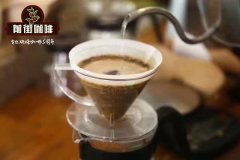
Introduction to Peruvian Organic Coffee Cooperatives in the North, Central and South of Peru
Professional coffee knowledge exchange more coffee bean information follow coffee workshop (Wechat official account cafe_style) Peru began to export coffee in 1887 and is now the eighth largest producer and the world's largest exporter of organic coffee, with an annual volume of 2 million bags, accounting for 5 per cent of total exports. More than 1/3 of the country's coffee is grown in the Cajamarca region in the north and in the south.

Peruvian Fine Coffee Flavor and taste the manor area introduces Peruvian organic coffee
Peru is also a big coffee producer. Up to 98% of Peruvian coffee is grown in forest areas, and most producers are small farmers. Coffee is high-quality and balanced and can be used for mixed drinks. Peru has good economic conditions and a stable political situation, thus ensuring the good quality of coffee. In the mid-1970s, Peru produced about 900000 bags of coffee a year, and then continued.

Peruvian specialty coffee Peruvian coffee tour
Professional coffee knowledge exchange more coffee bean information Please pay attention to the coffee workshop (Wechat official account cafe_style) in the coffee industry, in fact, Peru's growing history is not long, but Peru is a producer of fine coffee, and only 10% of the Arabica beans in the world are called fine coffee. Peru has a unique natural environment: high altitude, plateau climate
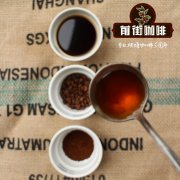
Peruvian organic coffee beans | Camarca San Ignacio small farmers wash Kaddura and card in micro batches
Professional coffee knowledge exchange more coffee bean information please follow the coffee workshop (Wechat official account cafe_style) Peruvian organic coffee beans | Camanca San Ignacio small farmers micro-batch washing Kaddura, Kaduai beans flavor? Peru (Peru) is also a big coffee producer. Up to 98% of Peruvian coffee is grown in forest areas, and most producers are small farmers.

Peruvian coffee flavor and taste Peruvian organic coffee boutique coffee beans Peruvian coffee beans
Peru is also a big coffee producer. Up to 98% of Peruvian coffee is grown in forest areas, and most producers are small farmers. Coffee is high-quality and balanced and can be used for mixed drinks. Peru has good economic conditions and a stable political situation, thus ensuring the good quality of coffee. In the mid-1970s, Peru produced about 900000 bags of coffee a year, and then continued.

Introduction to the characteristics of Peruvian Organic Coffee Flavor and Fine Coffee beans
Peru's finest coffee is produced in Chaximayo, Cusco, Note and Puno. Most Peruvian coffee is grown under natural conditions, but it is also difficult to confirm the cultivation of all coffee trees. Coffee grown under natural conditions costs 10% more than others and is exported to the United States and Japan. The quality of Peruvian coffee is comparable to that of any kind of coffee in Central or South America. Peru
Peruvian Coffee Peruvian Coffee Peruka Hamaka producing area Sunshine Cooperative Fair Trade
Peru (Peru) is also a big coffee producer. Peruvian coffee producing areas: up to 98% of Peruvian coffee is grown in forest areas, and most of the producers are small farmers. Peru's finest coffee is produced in Chanchmayo, Cuzco, Norte and Puno. Most Peruvian coffee is grown under natural conditions, but it is also difficult to determine

Peruvian Organic Coffee Historical Flavor and Taste characteristics of Peruvian Coffee grown in Peru
Peru: organic coffee flavor and taste characteristics: high quality and balanced, palatable acidity, can be used for mixed drinks, Peruvian coffee does not have a long history, but as a rising star, Peruvian coffee is gradually opening up its popularity and entering the international market. Peru is located in western South America, with a coastline of 2254 kilometers. The Andes runs from north to south, and the mountains account for 1% of the country's area. it belongs to the tropics.

Peruvian Coffee Flavor and Taste characteristics of Peruvian Organic Coffee Fine Coffee beans
Peru is also a big coffee producer. Up to 98% of Peruvian coffee is grown in forest areas, and most producers are small farmers. Coffee is high-quality and balanced and can be used for mixed drinks. Peru has good economic conditions and a stable political situation, thus ensuring the good quality of coffee. In the mid-1970s, Peru produced about 900000 bags of coffee a year, and then continued.

Peruvian coffee bean flavor description grinding scale production area taste manor treatment method
Peru is also a big coffee producer. Up to 98% of Peruvian coffee is grown in forest areas, and most producers are small farmers. Coffee is high-quality and balanced and can be used for mixed drinks. Peru has good economic conditions and a stable political situation, thus ensuring the good quality of coffee. In the mid-1970s, Peru produced about 900000 bags of coffee a year, and then continued.